
Reliability Intelligence
Understand the asset. Protect the work it needs to deliver.
A maintenance priority is more than an alarm or a date. It depends on the asset's condition, its operating duty, the available intervention options and its importance to production.
Make asset information more useful.
Condition, history, priority and the conversation between them.
Condition in context.
Relate relevant observations and operating signals to how an asset is being used. Examine change without treating every deviation as the same kind of risk.
History that informs the next decision.
Bring previous events, inspections and maintenance information into the investigation where those records are available.
Operational priority.
Consider an asset's role in the current plan, the effect of an interruption and the options for an intervention window.
A clearer maintenance conversation.
Give reliability and operations teams a shared basis for discussing what needs attention and why.
Ved, Optimon's Industrial Reasoning Engine
From equipment condition to maintenance priority.
An abnormal condition means more when the team can relate it to the asset's duty, operating history and role in production. Evaluate the evidence behind the concern before determining the next inspection or maintenance decision.
Example to explore: Which asset condition deserves attention, and what could it affect?
Illustrative scenario — not a customer result.
Which issue deserves attention first?
Two assets may show abnormal conditions. One has redundancy. The other constrains a priority production route. The appropriate response depends on more than the order in which the notifications arrived.
By bringing condition and operational context together, the team can discuss intervention priorities more intelligently. Safety requirements remain non-negotiable; the example is not a recommendation to defer required maintenance.
Which asset deserves attention first?
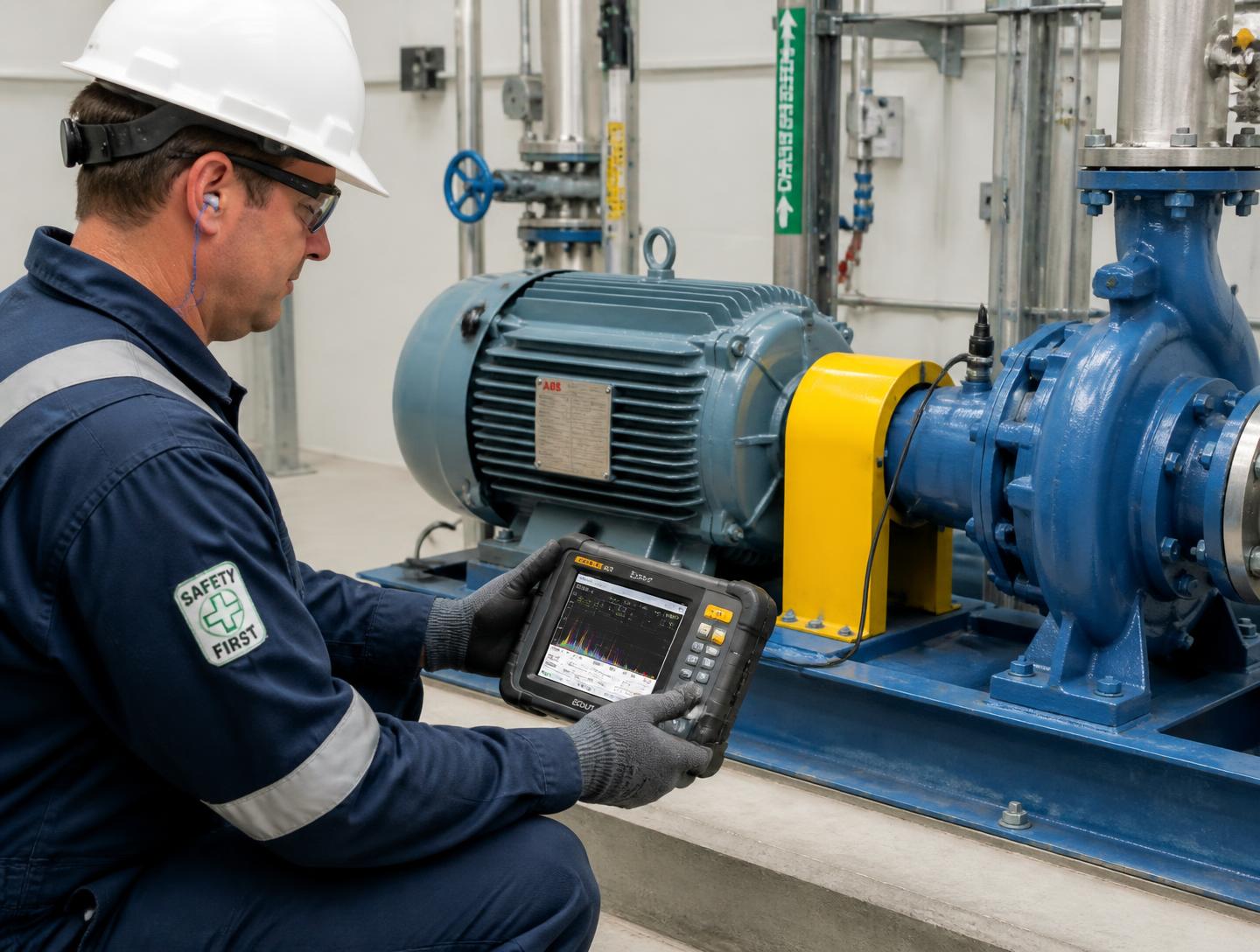
A reliability engineer inspecting a pump with a handheld analyser while a colleague reviews asset condition.
Prediction needs evidence — not a label.
For use cases involving predictive models or remaining useful life, the model must be suitable for the asset, data and operating conditions. Confidence, limitations and review responsibilities matter.
Start with a defined asset class or recurring failure question. Establish what the available evidence can support before making promises about prediction accuracy or avoided downtime.
Work with your maintenance system.
The engagement defines the relationship with existing maintenance and enterprise records. Work orders, approvals and execution responsibilities stay with their authorized owners unless a specific integration is agreed.
The most useful alert is the one your team can put in context.
Connected to this challenge.
Manufacturing Intelligence
Relate asset behaviour to the plan the line is trying to deliver.
Which asset decision is hardest to defend today?
Tell us where the current process becomes difficult. We will discuss the relevant capabilities, the information available and a practical next step for your environment.
Available capabilities and deployment scope are confirmed for each engagement.